Artikel

Understanding the Phrase: “Search Google or Type a URL”

The phrase “search google or type a url” is a common sight for internet users, appearing prominently on most web browsers. It serves as a gateway to the vast expanse of the internet, offering users a simple choice: to search for information using Google or to directly access a specific website by typing its URL. This article delves into the intricacies of this phrase, explaining its significance, functionality, and providing insights into optimizing your browsing experience.

Key Takeaways

  • The phrase “search google or type a url” is a fundamental feature of modern web browsers.
  • It offers users the flexibility to either search for information or directly access websites.
  • Understanding how to use this feature can enhance your browsing efficiency and experience.

The Dual Functionality of the Browser Address Bar

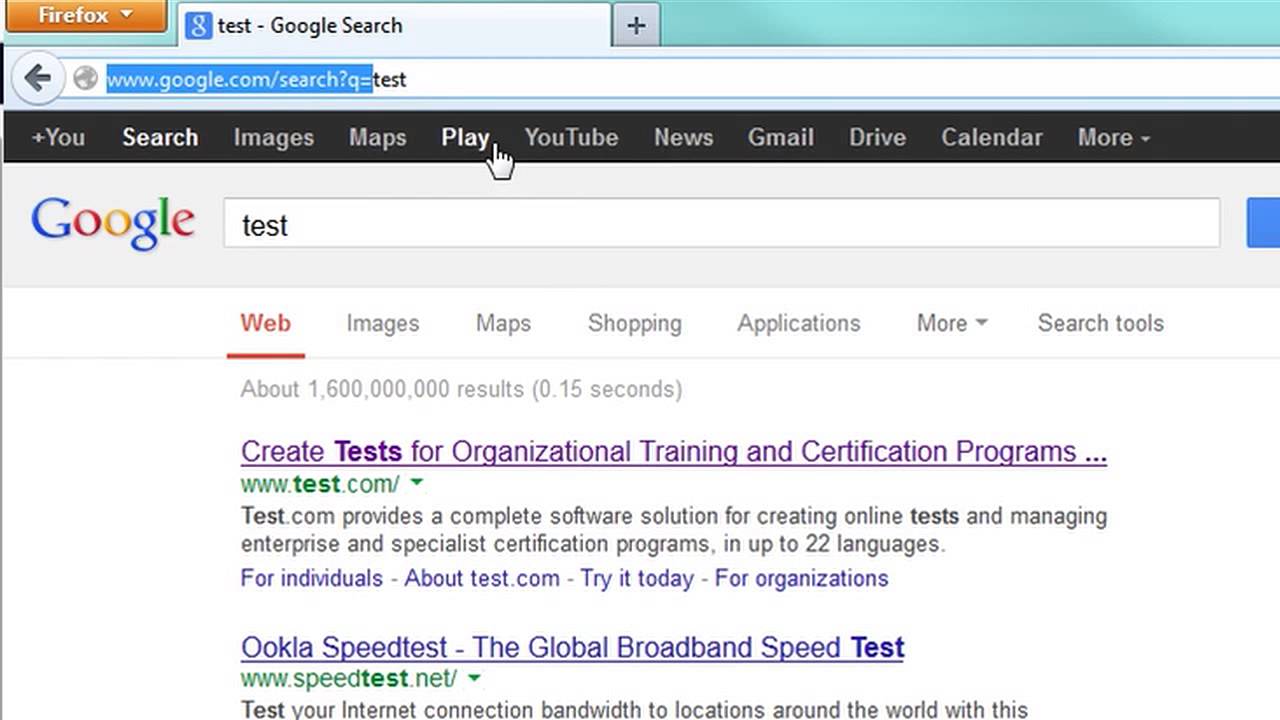
The address bar, also known as the omnibox in some browsers like Google Chrome, is a versatile tool that facilitates two primary functions: searching the web and navigating to specific URLs. This dual functionality is what the phrase “search google or type a url” encapsulates. Let’s explore each function in detail.

Searching Google

When you enter a query into the address bar, it automatically uses Google as the default search engine to provide results. This feature leverages Google’s powerful search algorithms to deliver relevant information quickly. For instance, typing “best Italian restaurants” into the address bar will prompt Google to display a list of top-rated Italian dining spots near you.

Utilizing this search function is advantageous because it eliminates the need to navigate to the Google homepage. It streamlines the process, allowing users to access information with minimal effort. Furthermore, users can customize their default search engine if they prefer alternatives like Bing or DuckDuckGo.

Typing a URL

On the other hand, the address bar allows users to directly access specific websites by typing their URLs. For example, entering “www.example.com” into the bar will take you straight to that website without the intermediary step of a search engine. This is particularly useful for users who know the exact web address they wish to visit.

Directly typing a URL is often faster and more efficient for frequent visitors of a particular site. It bypasses the search engine, reducing the number of steps required to reach the desired content.

Optimizing Your Browsing Experience

To make the most out of the “search google or type a url” feature, consider the following tips:

1. Customize Your Search Engine

Most browsers allow you to change the default search engine. If you have specific preferences or privacy concerns, you can switch to a search engine that aligns with your needs. This customization can enhance your search experience and ensure that the results are tailored to your preferences.

2. Utilize Bookmarks

If you frequently visit certain websites, bookmarking them can save you time and effort. Bookmarks are easily accessible from the browser’s toolbar, allowing you to bypass the address bar altogether. This is particularly useful for websites with long or complex URLs.

search google or type a url

3. Use Keyboard Shortcuts

Familiarizing yourself with keyboard shortcuts can significantly speed up your browsing. For instance, pressing “Ctrl + L” or “Cmd + L” on a Mac will highlight the address bar, ready for you to type a search query or URL. These shortcuts reduce the need for mouse clicks, making navigation more efficient.

4. Enable Autofill and Suggestions

Most modern browsers offer autofill and suggestion features that predict what you’re typing based on your browsing history. Enabling these features can save you time, as the browser will suggest previously visited sites or complete search queries as you type.

Common Misunderstandings and FAQs

Despite its simplicity, the “search google or type a url” feature can sometimes be misunderstood. Here are some common questions and clarifications:

Is the Address Bar the Same as a Search Bar?

While the address bar can perform search functions, it is not the same as a dedicated search bar. A search bar is typically found on search engine homepages and is solely used for entering search queries. The address bar, however, combines both search and navigation capabilities.

Can I Change the Default Search Engine?

Yes, most browsers allow you to change the default search engine. This option is usually found in the browser’s settings. Popular alternatives to Google include Bing, Yahoo, and DuckDuckGo.

What Happens if I Enter an Incomplete URL?

If you enter an incomplete URL, the browser might attempt to complete it based on your browsing history or suggest possible matches. Alternatively, it may treat the entry as a search query and display search results.

The phrase “search google or type a url” encapsulates the dual functionality of modern web browsers, offering users a streamlined and efficient way to explore the internet. By understanding and optimizing this feature, users can enhance their browsing experience, making it faster and more intuitive. Whether you’re searching for information or navigating directly to a website, the address bar is a powerful tool at your disposal.
search google or type a url

Artikel

Unveiling the Legacy and Future of Iowa Women’s Basketball

The world of college basketball is rich with history, talent, and passion, and Iowa women’s basketball is no exception. From thrilling games to remarkable players, the team has carved a niche for itself on the national stage. In this article, we delve into the past, present, and future of Iowa women’s basketball, highlighting key players, memorable moments, and what lies ahead for this phenomenal team.

Key Takeaways

  • Rich History: Iowa women’s basketball has a storied past with numerous achievements and standout players.
  • Current Success: The team continues to perform at a high level, with recent seasons showcasing their prowess.
  • Future Prospects: With strong recruitment and strategic coaching, the future looks bright for Iowa women’s basketball.

iowa women's basketball

A Glimpse into the Past

The history of Iowa women’s basketball is a tapestry of triumphs and challenges. Established in the early 1970s, the program quickly gained momentum, thanks to visionary coaches and talented players. The team has consistently been a force in the Big Ten Conference, with multiple NCAA tournament appearances under its belt.

One of the most iconic figures in Iowa women’s basketball history is Vivian Stringer, who coached the team from 1983 to 1995. Under her leadership, the Hawkeyes reached the Final Four in 1993, a testament to her strategic acumen and the team’s dedication.

Memorable Moments

Throughout the years, Iowa women’s basketball has given fans numerous unforgettable moments. From buzzer-beaters to record-breaking performances, the team has consistently provided excitement and drama. The 1993 Final Four run remains a highlight, showcasing the team’s resilience and skill on a national platform.

iowa women's basketball

The Present: A Powerhouse in College Basketball

iowa women's basketball

Today, Iowa women’s basketball continues to thrive, maintaining its status as a powerhouse in college basketball. The team has consistently ranked high in the Big Ten Conference, often securing spots in the NCAA tournament. This success is attributed to a combination of talented players, strategic coaching, and unwavering fan support.

Key Players

Recent seasons have seen standout performances from players who have become household names. Caitlin Clark, for example, has been a revelation, with her scoring ability and leadership on the court earning her national recognition. Her contributions have been instrumental in the team’s success, making her a pivotal figure in the current roster.

Coaching Excellence

The coaching staff, led by Lisa Bluder, has been crucial in shaping the team’s strategy and fostering a winning culture. Bluder’s emphasis on teamwork and discipline has been a cornerstone of the team’s approach, allowing players to flourish individually while contributing to the team’s overall success.

Looking Ahead: The Future of Iowa Women’s Basketball

The future of Iowa women’s basketball is bright, with several promising prospects on the horizon. The team’s recruitment strategy focuses on attracting top talent from across the country, ensuring a steady influx of skilled players ready to make an impact.

Recruitment and Development

Recruitment is a critical component of the team’s future success. By identifying and nurturing young talent, Iowa women’s basketball aims to maintain its competitive edge. The coaching staff’s commitment to player development ensures that recruits not only possess raw talent but also the work ethic and discipline needed to succeed at the collegiate level.

Fan Engagement and Support

iowa women's basketball

Fan support has always been a driving force behind the team’s success. The passionate fan base provides an electric atmosphere at home games, motivating players and creating a formidable home-court advantage. As the team continues to excel, fan engagement is expected to grow, further solidifying Iowa’s reputation as a basketball powerhouse.

Iowa women’s basketball stands as a testament to the power of perseverance, talent, and community support. With a rich history, a successful present, and a promising future, the team continues to be a beacon of excellence in college basketball. As fans eagerly anticipate the upcoming seasons, one thing is certain: Iowa women’s basketball will continue to captivate and inspire, leaving a lasting legacy for generations to come.…

Artikel

Understanding Presidential Immunity in the United States

Presidential immunity in the United States is a critical yet complex legal principle, crucial for maintaining the balance of power within the federal government. This article delves into the intricacies of this concept, exploring its historical roots, legal interpretations, and implications for current and future presidents.

Key Takeaways

  • Definition: Presidential immunity protects the President from certain legal actions, ensuring the executive branch can function without undue interference.
  • Scope: The immunity primarily covers actions within the scope of official duties, with exceptions for actions outside these bounds.
  • Legal Precedents: Key court cases have shaped the understanding and limitations of presidential immunity.
  • Controversies: The concept is often debated, especially in cases involving potential misconduct.

The Foundation of Presidential Immunity

Presidential immunity in the United States has its roots in the Constitution, although it is not explicitly mentioned. The principle is derived from the separation of powers doctrine, which aims to prevent any branch of government from becoming too powerful. This immunity is intended to allow the President to perform their duties without the constant threat of litigation, which could otherwise hinder the executive branch’s functionality.

Historical Context

presidential immunity in the united states

The concept of presidential immunity has evolved over time, shaped by historical events and judicial interpretations. Early discussions about the President’s legal protections can be traced back to debates among the Founding Fathers, who sought to create a strong yet accountable executive branch.

Judicial Interpretations

Several landmark Supreme Court cases have defined and refined the scope of presidential immunity. These cases often arise when the boundaries of executive power are tested, providing clarity on what actions are protected under this legal doctrine.

Scope and Limitations of Presidential Immunity

Understanding the scope of presidential immunity is essential for grasping its implications. The immunity generally applies to actions taken in an official capacity, but there are notable exceptions and limitations.

Official vs. Unofficial Acts

Presidential immunity primarily covers acts performed as part of the President’s official duties. This means that actions directly related to policy-making, national security, and other executive functions are generally protected. However, actions outside these official duties, such as personal conduct or actions taken before assuming office, are not covered by immunity.

Legal Precedents and Cases

Several key court cases have shaped the understanding of presidential immunity:

  • Nixon v. Fitzgerald (1982): This case established that the President is entitled to absolute immunity from civil lawsuits for actions taken while in office. The Supreme Court ruled that allowing such lawsuits could distract the President from their duties.
  • Clinton v. Jones (1997): In this case, the Supreme Court held that a sitting President is not immune from civil litigation for actions taken before or unrelated to their official duties. This decision highlighted the limitations of presidential immunity, emphasizing accountability for personal conduct.

presidential immunity in the united states

Controversies and Debates

Presidential immunity is not without controversy. Critics argue that it can shield misconduct and limit accountability, while proponents assert that it is necessary for effective governance. These debates often surface during times of political tension or when allegations of wrongdoing arise.

presidential immunity in the united states

Impact on Governance

presidential immunity in the united states

The balance between immunity and accountability is a delicate one. While immunity ensures that the President can govern without constant legal distractions, it also raises concerns about unchecked power. This tension is a recurring theme in discussions about presidential immunity.

Recent Developments

In recent years, the topic of presidential immunity has gained renewed attention. Legal challenges and investigations involving sitting and former presidents have sparked debates about the scope and limitations of this legal protection. These discussions continue to shape the evolving landscape of presidential immunity in the United States.

Presidential immunity in the United States is a vital yet complex legal principle that plays a crucial role in maintaining the balance of power within the federal government. While it provides necessary protections for the President to perform their duties effectively, it also raises important questions about accountability and the potential for abuse of power. As legal interpretations and societal expectations evolve, the concept of presidential immunity will continue to be a significant topic of discussion and debate.

By understanding the historical context, legal precedents, and ongoing controversies surrounding presidential immunity, we can better appreciate its role in shaping the American political landscape. This nuanced understanding is essential for informed discussions about the future of executive power and accountability in the United States.…